Teamwork Training for Entry-Level Healthcare Professionals

What Is Teamwork Training in Healthcare?
Teamwork training in healthcare refers to structured programs that help healthcare providers develop the communication, coordination, and collaboration skills needed to function effectively as a unit. Studies consistently show that well-trained teams deliver safer care, reduce errors, and improve patient safety outcomes across clinical and non-clinical settings.
When healthcare providers work in sync, the entire care experience improves—from how efficiently tasks are completed to how confident patients feel in the hands of their team. Teamwork training equips frontline employees with the interpersonal and professional skills to contribute meaningfully from day one.
CLiMB addresses this need directly. It’s a workforce development program built specifically for entry-level healthcare employees, covering the real-world teamwork skills that textbooks and compliance modules often miss.
Build Strong Professional Bonds with Good Work and Relationships
Building strong professional relationships is vital for entry-level healthcare professionals. Effective teamwork in healthcare starts with the connections employees build with colleagues, supervisors, and care teams across every shift. These connections enhance communication, collaboration, and trust within teams, all of which are essential for quality patient care. Good relationships facilitate smooth coordination and help avoid misunderstandings that could negatively affect patient outcomes.
Additionally, having positive relationships with experienced colleagues offers valuable mentorship, aiding in skill development. A supportive network boosts job satisfaction and motivation, leading to career progression and long-term success in healthcare. Strong professional bonds also drive team performance—when employees trust one another, they communicate more openly, respond more effectively under pressure, and deliver better results for patients and the organization.
Exceed Expectations as a Great Team Member
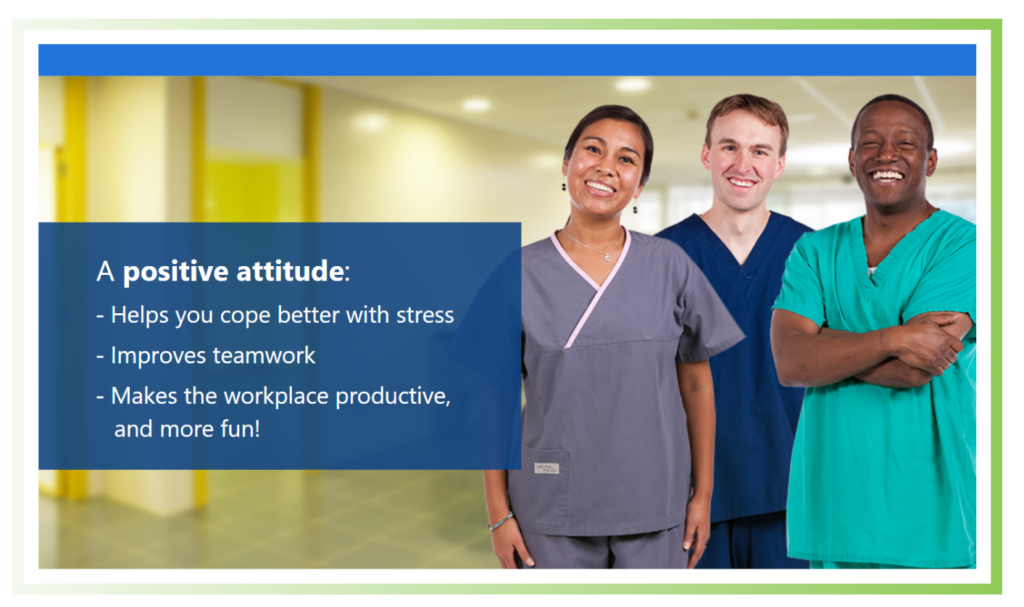
A positive attitude is vital for being a great team member in healthcare because it fosters a collaborative, supportive environment. When healthcare professionals approach challenges with optimism and resilience, they inspire others to stay motivated and focused, even in stressful situations. Building the teamwork competencies that support a collaborative team starts with how each individual shows up every day. A positive outlook encourages open communication, strengthens team morale, and enhances problem-solving, ultimately leading to better patient care and more effective teamwork.
Healthy team dynamics also require psychological safety—an environment where every team member feels comfortable speaking up, raising concerns, and contributing ideas without fear of judgment. CLiMB helps employees understand the team processes that make that kind of culture possible, so they can be a trusted, contributing part of any care team.
Meet Organizational Demands
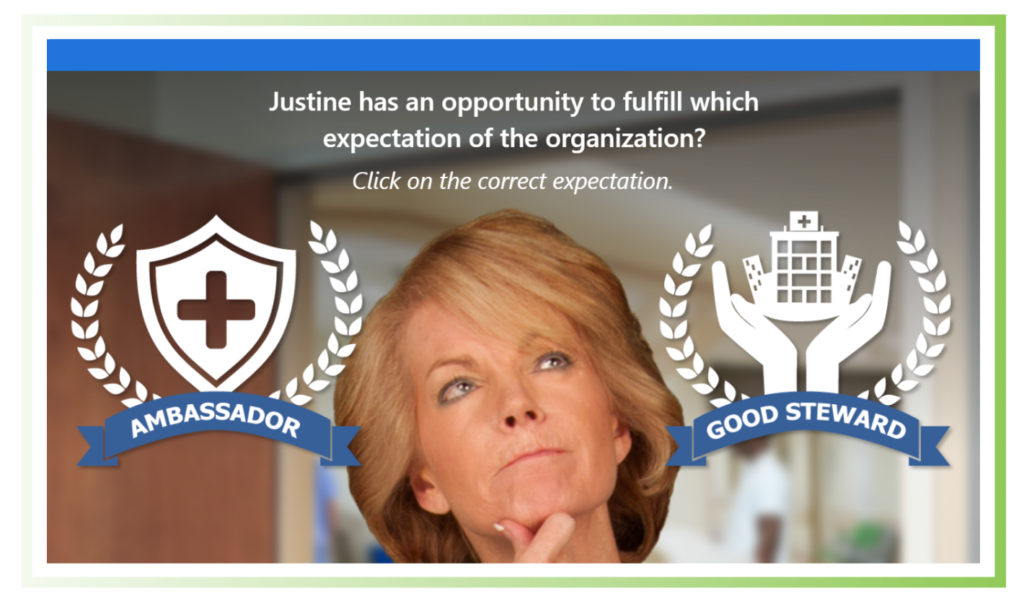
Being an ambassador and a good steward is what your organization expects. Nurses, providers, and frontline staff alike are the face of the organization—and nurse leaders know that how each employee carries themselves reflects directly on the team’s reputation. Employees are to promote a positive image both within and outside the organization, representing its values and mission with professionalism and integrity.
An employee who demonstrates accountability and commitment contributes to the overall success and reputation of the healthcare organization and can be trusted to handle patient care, ethical practices, and company resources responsibly. Organizations that invest in this kind of professional readiness see stronger team cohesion, reduced turnover, and a workforce that upholds the standards of the nursing profession at every level.
Deliver Based on Set Expectations
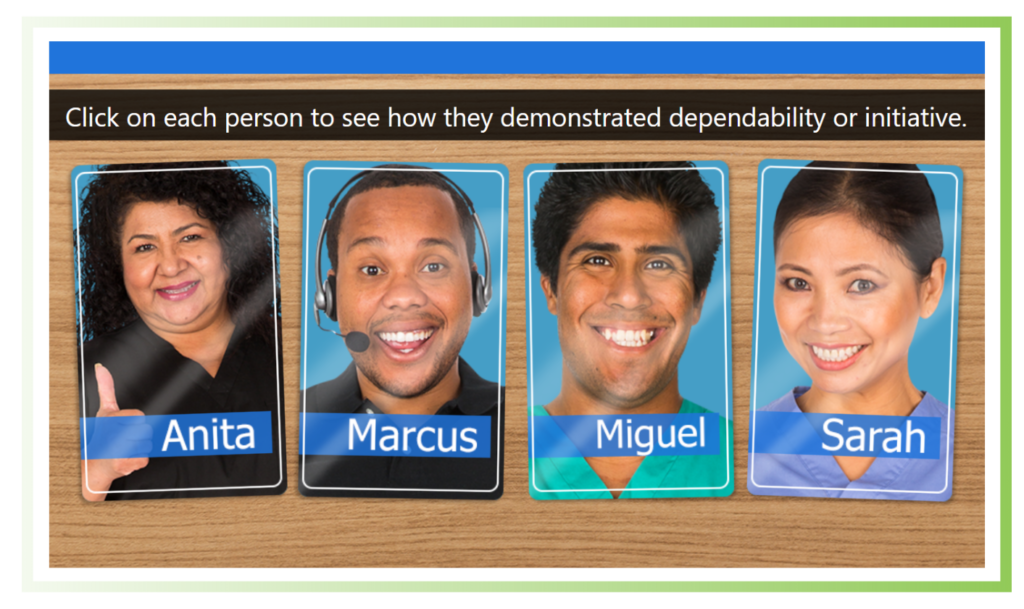
Dependability and initiative are essential traits for highlighting what your supervisor expects from you. Supervisors rely on employees who consistently show up on time, complete tasks accurately, and follow through on responsibilities. Structured team training reinforces this mindset early—helping employees understand that reliable, proactive behavior isn’t just a personal value, it’s a shared professional standard. Taking initiative, such as proactively addressing challenges or suggesting improvements, demonstrates a commitment to patient care and team success.
These behaviors help maintain a smooth, efficient work environment and build trust with supervisors, showing that the employee is reliable, engaged, and capable of handling increasing responsibilities. The outcome is a team that operates with greater consistency, fewer gaps in care, and a stronger sense of shared accountability.
Transform Your Healthcare Teams with CLiMB
Teamwork training in healthcare is one of the highest-impact investments a health care organization can make—and CLiMB is built to deliver it at scale. Being a professional team player is important in healthcare because it helps staff work well together, patients receive better care and feel more valued. CLiMB supports collaborative teams by giving frontline employees the team training and skills they need to show up, contribute, and grow. CLiMB is designed to help frontline healthcare employees with teamwork, leading to better care for patients and a happier, more efficient workplace for everyone— explore CLiMB today!
Looking to develop your frontline nurse leaders? See NCharge®, our charge nurse leadership training program.